
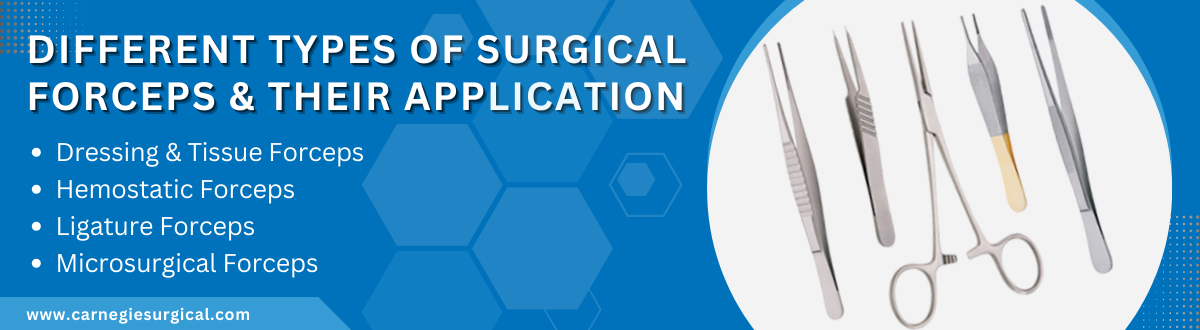
For many centuries, surgical forceps have been an essential surgical instrument in medical operations. From simple metal pincers to advanced, refined instruments, surgical forceps have undergone significant changes in their design, materials, and uses. In this blog, we will examine the history, types, and uses of surgical forceps, and how they have become an essential part of modern medicine.
Surgical forceps have a long history that traces back to ancient civilizations like the Greeks and the Romans, who used crude metal pincers to seal blood vessels during surgical operations. In the 19th century, surgical forceps became more common with the introduction of antiseptic methods and aseptic surgery, resulting in the creation of various types of surgical forceps.
Nowadays, there are many types of surgical forceps available, each tailored for specific surgical operations.
Some of the most frequent types of forceps are:
- Hemostatic Forceps
- Tissue Forceps
- Dressing forceps
- Ligating Forceps
- Microsurgical Forceps
Hemostatic Forceps

Hemostatic forceps are surgical instruments that are used to stop bleeding during surgery by clamping or compressing blood vessels. They have different shapes and sizes depending on the part of the body that they are applied to. For example, mosquito forceps are small and delicate, and are used for fine work in small areas. Kelly forceps are larger and heavier, and are used for larger blood vessels or tissues. Some hemostatic forceps have locking mechanisms to keep them in place, while others are non-locking and require manual pressure. Hemostatic forceps can also have different types of tips, such as curved, straight, or angled, depending on the anatomy of the subject area. Hemostatic forceps can be made of various materials, such as stainless steel, titanium, or plastic
Tissue Forceps
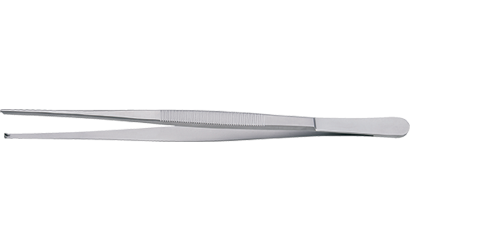
Tissue forceps are surgical tools that are used to grasp and move delicate tissues during surgery or lab work. They have a fine tip, often with tiny teeth or notches, which provide a firm hold on the tissue without harming it. Tissue forceps can be straight, angled, or curved, depending on the surgeon’s choice and the anatomy of the area. They also come in different sizes, from small (e.g., Adson forceps) to large (e.g., Bonney forceps), for dealing with different kinds of tissue. Tissue forceps are also called non-locking forceps, gripping forceps, thumb forceps, or pick-ups.
Dressing forceps
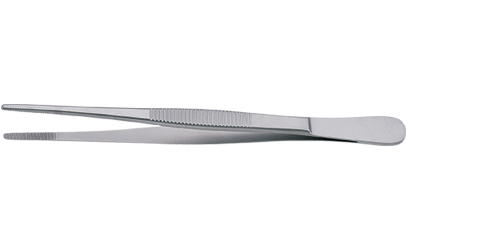
Dressing forceps are surgical tools that are used to handle or manipulate dressings or other materials during wound care or other medical procedures. They have long, thin handles and a wide, flat tip that is ideal for securely holding dressings, while minimizing patient discomfort. Dressing forceps are often serrated or smooth, depending on the type of dressing or material they are used for. Dressing forceps are also known as pickups, thumb forceps, or non-locking forceps. They are commonly used in procedures such as dressing changes, suture removal, and foreign body extraction.
Ligating Forceps
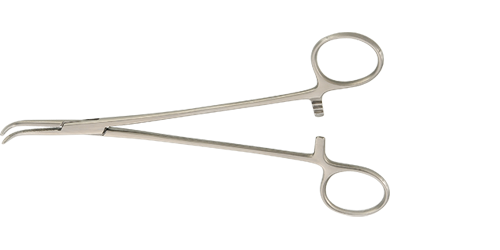
Ligating forceps are surgical tools that are used to ligate or seal blood vessels or other tissues during surgery. They are often used in combination with hemostatic forceps, which clamp or compress the vessels or tissues before ligation. Ligating forceps have a ringed handle design and a ratchet locking mechanism, which allow them to securely hold the ligature or suture material around the vessel or tissue. Ligating forceps can have different shapes and sizes, such as straight, curved, or angled, depending on the location and size of the vessel or tissue that needs to be ligated. Ligating forceps are also known as ligature forceps or ligation forceps. They help surgeons perform procedures with greater safety and control.
Microsurgical Forceps
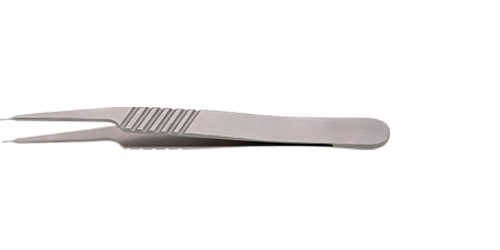
Microsurgical forceps are surgical tools that are designed for performing delicate and intricate surgeries. These forceps have various shapes and sizes to suit the specific needs of the surgeon and the anatomy of the area. They allow the surgeon to handle and manipulate tiny tissues and structures with accuracy and precision. Microsurgical forceps are commonly used in ophthalmic, ENT, plastic, and cardiovascular surgeries.
Surgical forceps are used for various purposes in different medical operations, such as:
- Cardiovascular Surgery
- Orthopedic Surgery
- Neurosurgery
- Plastic Surgery
Cardiovascular Surgery
These forceps are essential for heart surgeries, as they can occlude or control blood vessels safely. They have fine, non-crushing jaws that prevent damage to the vascular structures. Some examples of cardiovascular forceps are Debakey, Cushing, and Gerald forceps.
Orthopedic Surgery
These forceps assist in surgeries involving bones and tissues, such as joint replacement or fracture repair. They have strong, serrated jaws that can grip and hold bones or implants securely. They also allow the surgeon to manipulate and align bones or tissues accurately. Some examples of orthopedic forceps are bone holding and reduction, tendon pulling and braiding, and wire twisters.
Neurosurgery
These forceps are designed for handling and manipulating delicate tissues during surgeries involving the brain or the spine. They have fine, smooth, or serrated tips that provide a gentle grip on the tissues without causing damage. They also allow the surgeon to access and operate on hard-to-reach areas with precision and accuracy. Some examples of neurosurgical forceps are bipolar forceps, microsurgical forceps, and rongeurs.
Plastic Surgery
These forceps are crucial for surgeries that involve altering the appearance of someone, such as facelifts or breast augmentations. They have a fine and smooth grip that allows for gentle handling of the skin and tissues. They also allow the surgeon to shape and adjust the tissues or implants with precision and accuracy. Some examples of plastic surgery forceps are Adson, Brown-Adson, and Allis forceps.
Conclusion
Surgical forceps have come a long way from the past to now. They have different types for different jobs in surgeries. Whether you’re a doctor or just interested in how surgical tools have changed, it’s cool to see how surgical forceps have adapted over time to help make surgeries more precise and controlled.
Get the Surgical Forceps You Need!
We offer a wide range of options for the medical forceps mentioned above. Carnegie Surgical LLC is the producer and provider of high-quality medical instruments.
We make our instruments from stainless steel, following FDA’s standards and ensuring high accuracy. We understand the needs of medical experts and design our instruments accordingly.
Browse our catalog and tell us what you want. We can also modify our instruments for you.
Disclaimer: This article is provided as a general informational service and does not constitute any legal or medical advice.

