
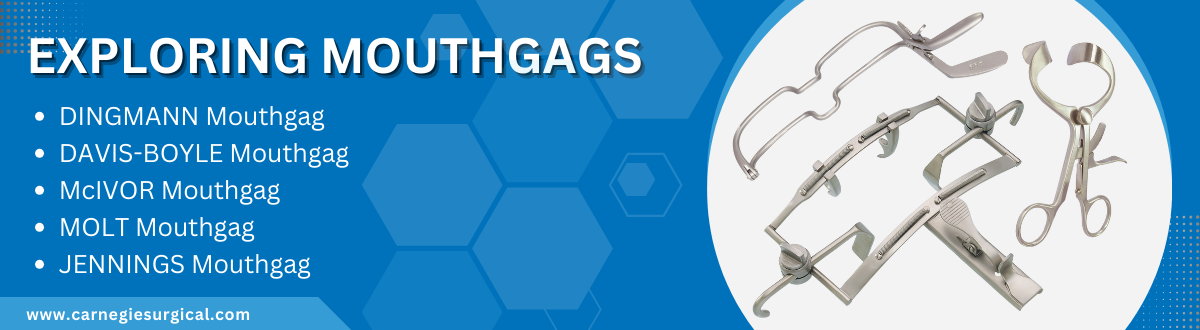
A mouth gag is a device used to keep the mouth open during oral or dental procedures. It can also be used to prevent the mouth from closing when there is a problem with the jaw joint or the muscles that control it. Mouth gags are essential for dentists, oral surgeons, anesthesiologists, and other medical professionals who need to access the oral cavity, the pharynx, or the larynx.
There are many types of mouth gags, each with its design and function. Some of the most common and widely used mouth gags are:
MOLT Mouthgag
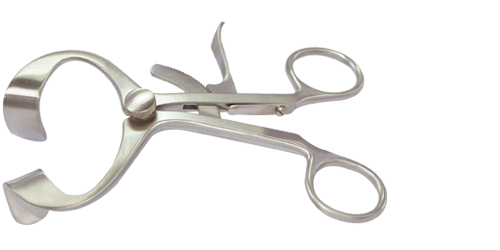
This is a simple and effective mouth gag that consists of two metal blades that are inserted between the teeth and held in place by a spring mechanism. The blades can be adjusted to fit different sizes of mouths and can be removed easily. The MOLT Mouthgag is suitable for general dental procedures and minor oral surgeries.
McIVOR Mouthgag
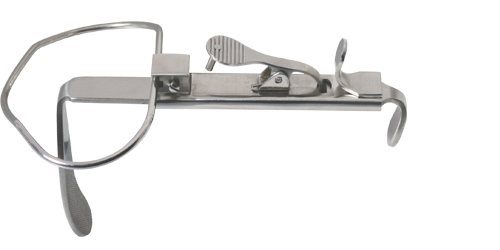
This is a mouth gag that has two curved metal frames that wrap around the head and have sections that fit between the teeth. The frames can be spread apart by a ratchet mechanism on each side, creating a wide opening of the mouth. The McIVOR Mouthgag is ideal for procedures that require access to the pharynx or the larynx, such as tonsillectomy or intubation.
DINGMANN Mouthgag
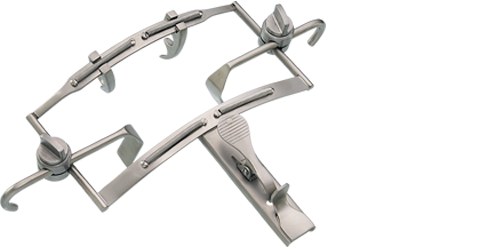
This is a mouth gag that has a metal frame that fits around the head and a metal blade that fits between the teeth. The blade can be moved up and down by a lever on the frame, allowing the operator to adjust the opening of the mouth. The DINGMANN Mouthgag also has an insulated blade option that prevents electrical interference during electrocautery or laser surgery. The DINGMANN Mouthgag is useful for procedures that involve the soft palate or the uvula, such as cleft palate repair or adenoidectomy.
JENNINGS Mouthgag
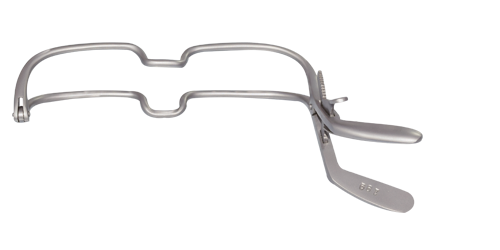
This is a mouth gag that has a metal frame that fits around the head and two metal blades that fit between the teeth. The blades can be separated by a ratchet mechanism on one side, creating a stable opening of the mouth. The JENNINGS Mouthgag is designed for procedures that involve the hard palate or the maxilla, such as orthognathic surgery or implant placement.
DAVIS-BOYLE Mouthgag
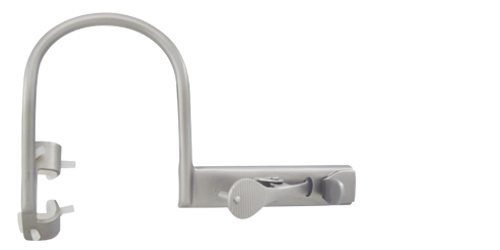
This is a mouth gag that has a metal frame that fits around the head and a metal blade that fits between the teeth. The blade can be moved up and down by a screw mechanism on the frame, allowing the operator to adjust the opening of the mouth. The DAVIS-BOYLE Mouthgag also has a retractable tongue blade that can be used to pull the tongue forward and improve the visibility of the oropharynx. The DAVIS-BOYLE Mouthgag is suitable for procedures that require access to the posterior part of the oral cavity, such as removal of foreign bodies or tumors.
RING Mouthgag Tounge Blades
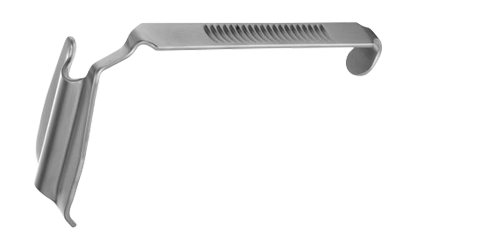
These are metal blades that can be attached to the RING Mouthgag, which is a mouth gag that has a metal ring that fits around the mouth and a metal rod that connects to the ring. The rod can be moved up and down by a lever on the ring, allowing the operator to adjust the opening of the mouth. The RING Mouthgag Tounge Blades can be used to retract the tongue and improve the exposure of the oral cavity. The RING Mouthgag is versatile and can be used for various procedures, such as dental extractions or biopsies.
Mouth gags are important devices that can make oral and dental procedures easier, safer, and more comfortable for both the patient and the operator. However, mouth gags also have some disadvantages and risks, such as:
- Causing damage to the teeth, gums, lips, tongue, or cheeks if not used properly or if left in place for too long.
- Causing pressure or injury to the TMJ or the muscles that control it, leading to pain, stiffness, or dysfunction.
- Causing difficulty in breathing, swallowing, or speaking, especially if the mouth gag interferes with the airway or the saliva flow.
- Causing infection or inflammation, especially if the mouth gag is not sterile or if it causes trauma to the oral tissues.
Therefore, mouth gags should be used with caution and care, and only by trained and experienced professionals. The operator should choose the appropriate type and size of mouth gag for the procedure and the patient, and should monitor the patient’s vital signs and comfort level throughout the procedure. The operator should also remove the mouth gag as soon as possible and provide postoperative instructions and care to the patient.
Mouth gags are essential tools for oral and dental procedures, but they are not without risks. By knowing the different types of mouth gags and their advantages and disadvantages, the operator can make informed decisions and provide the best possible care to the patient.
Disclaimer: This article is provided as a general informational service and does not constitute any legal or medical advice.

